
Techniques
Locked Floats
My favorite technique of all.
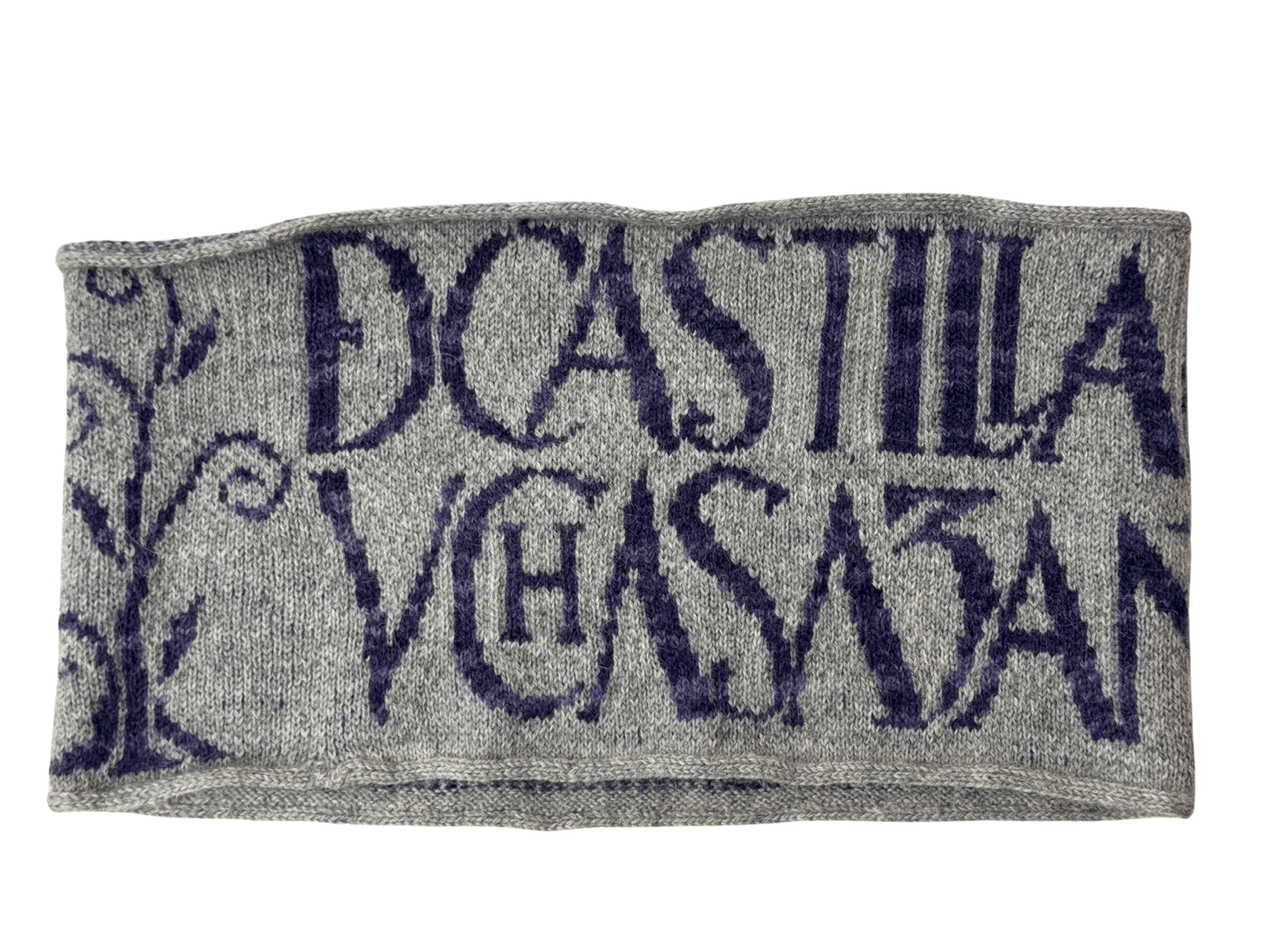
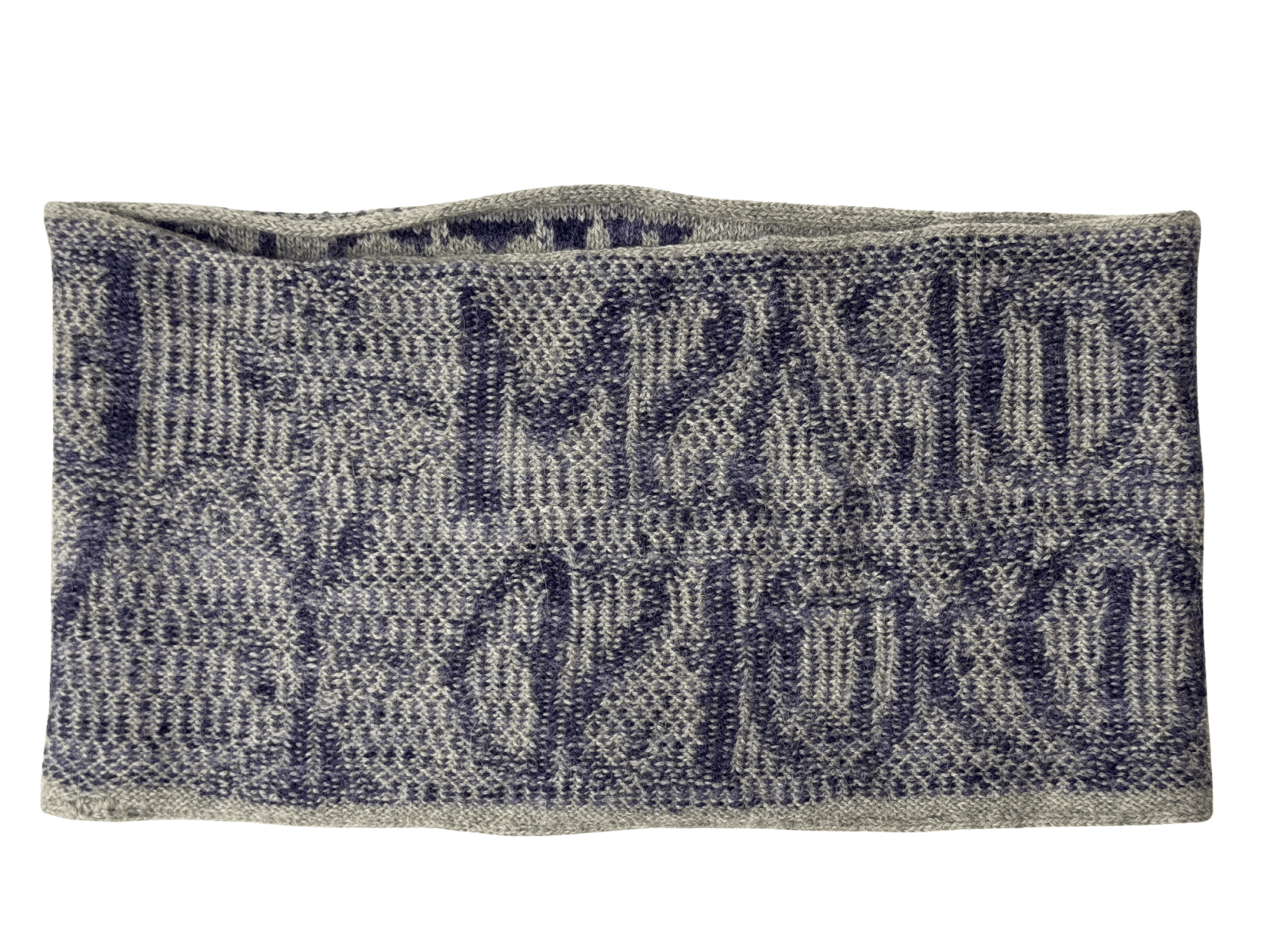
Locked Floats (also known as Armenian knitting) is a technique where the unused yarn is trapped, transforming the back of your stranded colorwork into a smooth, woven fabric with no long floats to snag. To learn the technique, watch the two demos below, which show the method on both right-side and wrong-side rows. Following those videos you’ll discover a series of step-by-step tutorials.

Right side vs. wrong side
Move the slider to flip the Hero Cowl over.
The locked floats technique creates a tidy wrong side..
Reminders
- In traditional stranded knitting, the two yarns remain in the same order throughout the project.
- My version of Locked Floats follows the rule that the floating (unused) yarn is locked/trapped every second stitch of the same color.
- In these demonstrations, MC is held in the right hand and CC in the left.
Locked Floats: RS vs WS Demos
Demo: Knit Side
Working a right-side row of stranded knitting using the locked floats technique.
Demo: Purl Side
Working a wrong-side row of stranded knitting using the locked floats technique.
Two-handed knitting
Securing the contrasting color (CC) float on the right-side
Securing the main color (MC) float on the right-side
Securing the contrasting color (CC) float on the wrong-side
Securing the main color (MC) float on the wrong-side
Locking MC & CC in the same row on the right-side
Lock it in!
The Revised 2nd Edition of Urban Knit Collection includes an expanded section on locked floats. Taking a workshop? The Locked Floats Workshop Kit has the yarn and needle ready to go.
Continental knitting
Securing the contrasting color (CC) float while working in the Continental knitting style on the right-side
Securing the main color (MC) float while working in the Continental knittnig style on the right-side
Have a technique you’d like to see?
Subscribe for new videos, or tell me what you’d like to see next.

